
Where a BCA actually takes you
A BCA is not a shortcut degree. It is a three-year foundation in programming, databases, web development and computer systems that feeds directly into India's biggest employer: the IT industry. Graduates from programs like IFTM University's BCA land in software development, web development, data analytics, testing, systems administration and tech support. The exact role matters more than the degree name. A junior software developer at a product company in Bengaluru and an IT support executive at a services firm in Moradabad both started with the same BCA, but their pay and growth curves look nothing alike.
So the honest question is not "will I get a job" but "which door do I open first." Let us look at the doors, with the numbers as they stand in 2026.
The jobs, and what they pay
Entry-level BCA graduates in India typically earn between Rs. 2.5 and 6 lakh per year, depending on the role, the city and the skills they can demonstrate in an interview. According to 2026 salary surveys, fresher monthly ranges break down like this:
- Junior software developer or programmer: Rs. 18,000 to Rs. 32,000 per month
- Web developer (front-end or full stack): Rs. 20,000 to Rs. 35,000 per month
- Mobile app developer: Rs. 20,000 to Rs. 38,000 per month
- Business or systems analyst: Rs. 20,000 to Rs. 32,000 per month
- Database administrator or SQL analyst: Rs. 17,000 to Rs. 28,000 per month
- Software tester or QA analyst: Rs. 16,000 to Rs. 28,000 per month
- IT support analyst or systems administrator: Rs. 15,000 to Rs. 25,000 per month
Roles with newer stacks pay noticeably more. Data analysts with SQL, Python and Power BI skills start around Rs. 4 to 8 lakh per year, and cybersecurity or cloud roles can push fresher packages to Rs. 4.5 to 9 lakh for candidates with real certifications. With three to five years of experience, strong performers in core roles like software development and data analytics reach Rs. 8 to 15 lakh per year, and some push toward Rs. 20 lakh.
Location matters too. Bengaluru, Pune, Mumbai and Hyderabad pay more than tier-2 cities, but the gap has narrowed as remote and hybrid work spread. A developer in Moradabad working remotely for a Delhi or Noida startup can now earn close to metro salaries.
Route one: get hired right after BCA
This is the most common path and it works when it is backed by proof. Recruiters in 2026 care less about your percentage than about what you have built. Two internships, one decent GitHub profile, and one certification in a demanded skill outweigh an extra few marks in a semester exam.
What to do in the final two semesters:
- Build two or three portfolio projects: a full-stack web app, a working database-backed tool, and one project in a trending area like a chatbot, a dashboard or a basic AI integration
- Learn one stack properly: JavaScript with React and Node, or Python with Django and SQL. One deep stack beats five shallow ones
- Get one internship, even unpaid, before the final year. Companies like TCS, Wipro, Infosys, Accenture and a flood of startups hire BCA graduates through campus drives and off-campus portals
- Practice data structures and aptitude. They still decide most first-round screenings
IT services companies hire in volume. Startups hire for attitude and pay more for specialists. Banking and fintech firms, e-commerce companies and healthcare IT teams all absorb BCA graduates for digital transformation roles. Around 60 percent of BCA graduates end up in the IT sector, with the rest spread across e-commerce, banking and consulting.
Route two: MCA, the classic upgrade
The MCA remains the preferred next step for BCA graduates who want deeper technical roles or better entry packages. MCA graduates start around Rs. 3.5 to 6 lakh per year on average, and the degree opens doors at companies that filter by postgraduate qualification.
Entry runs through entrance exams. The main ones:
- NIMCET: the national-level test for MCA seats at NITs, widely considered the top route
- CUET PG: conducted by NTA, used by roughly 200 participating universities for their own counselling; the MCA paper tests reasoning, mathematics, computer fundamentals and analytical ability
- State and university tests: MAH MCA CET, TANCET, WB JECA, and university-specific exams like IPUCET
Eligibility is straightforward: a BCA or equivalent bachelor's degree with at least 50 percent aggregate (some universities ask for 55 percent), and mathematics at the 10+2 or graduation level. Fees range from about Rs. 40,000 a year at government institutions to Rs. 2 to 3 lakh a year at private universities, so the total cost can run anywhere from Rs. 1.5 lakh to Rs. 8 lakh depending on where you study.
Route three: specialize with certifications
Not everyone needs a postgraduate degree. In 2026, a BCA plus the right certification can be enough for roles that used to demand an MCA. The patterns that keep paying:
- Data analytics: Google Data Analytics certificate, SQL, Power BI or Tableau. Analysts start at Rs. 4 to 8 lakh
- Cloud: AWS Solutions Architect Associate or Microsoft Azure fundamentals. Cloud engineers start at Rs. 4.5 to 9 lakh
- Cybersecurity: entry-level security certifications plus networking basics. Security analysts start at Rs. 4 to 10 lakh
- Full-stack and mobile: React, Flutter or native Android and iOS development. Developers start at Rs. 3 to 8 lakh
- DevOps: Docker, Kubernetes and CI/CD basics. A newer path that pays Rs. 4.5 to 9 lakh at entry
The rule of thumb: one certification that employers recognize, plus one working project that proves you can use it. Certificate without project is paper. Project without structure is chaos.
Route four: government jobs and beyond
Public sector options exist for BCA graduates. SSC, state IT departments, banking IT officer posts and public sector bank specialist officers all recruit technical graduates. The pay starts modest but the stability and perks pull a lot of students. Prepare for these alongside, not instead of, private-sector skills. The exams take a year or more, and you need a Plan B.
Freelancing is a realistic option too. Global demand for developers, data analysts and no-code specialists means a BCA graduate with a portfolio can pick up project work on platforms like Upwork and through direct clients. Income varies wildly by project, but it compounds: the first year is thin, the third year can outpay a job.
What IFTM's BCA gives you to work with
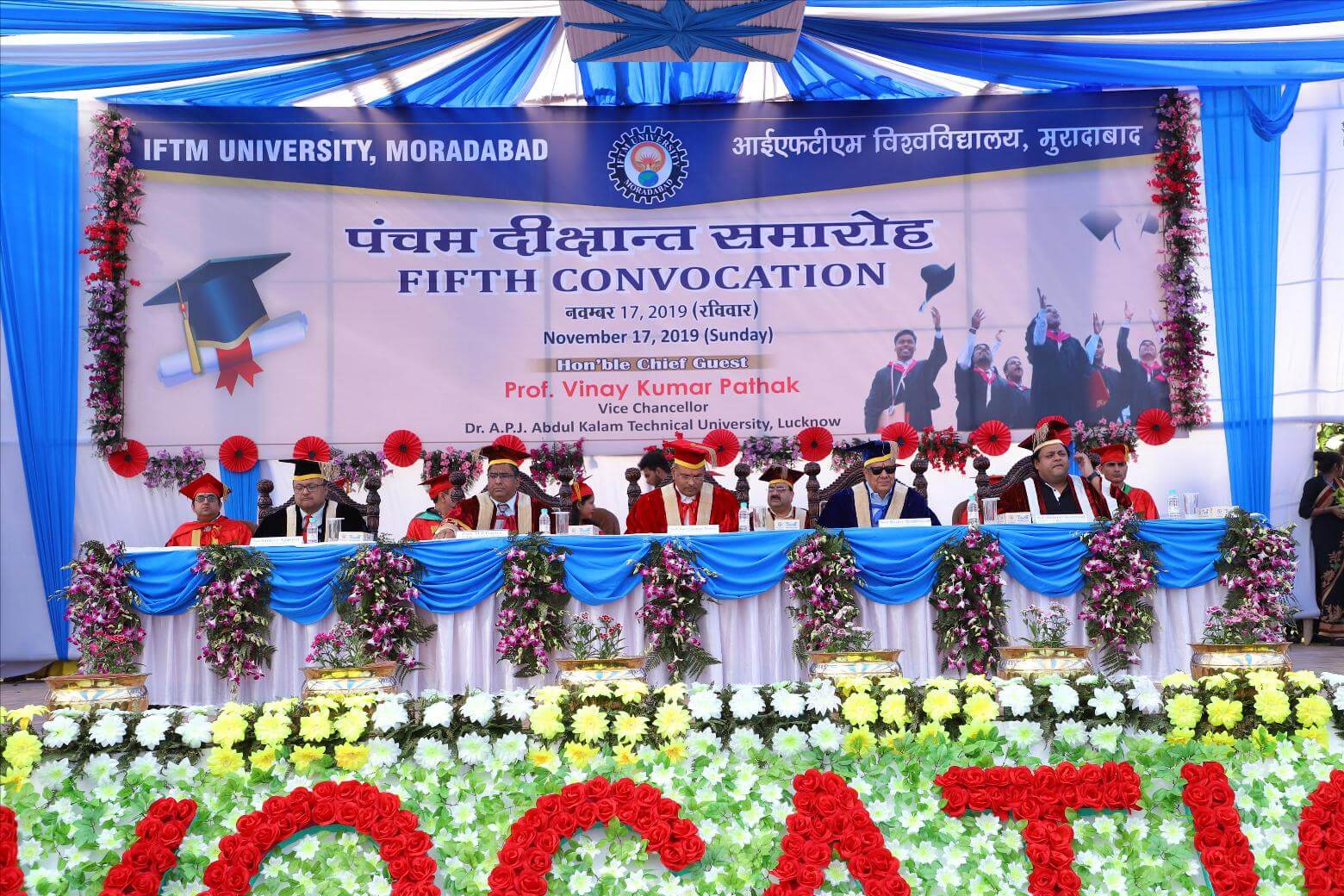
At IFTM University in Moradabad, the BCA program covers programming languages, database systems, web technologies and computer networks, and the admission office runs its own counselling and placement support. The students who do best after graduation are not the ones with the highest CGPA. They are the ones who used the lab hours to build things, joined a coding club or two, and walked into the final year with an internship already done.
If you are in the second year of your BCA right now, here is the practical checklist: finish one portfolio project this semester, pick your stack and go deep, start aptitude and coding practice daily, and talk to your placement cell before the final year begins. The students who start in the fifth semester are the ones with offer letters in the sixth.